
Sources for Spartanburg Previous Residents by Era
One address can cross several record eras, so the first task is choosing the source that actually covers the time in question. A current deed image is a modern land-record tool; an old index book is a historical name and book-page bridge; a directory and census schedule are time-stamped household sources. The source mix below is specific to Spartanburg County and shows why a backward trail should change methods as it reaches an earlier period.
| Historical source | Coverage found | Where to use it | What it contributes |
|---|---|---|---|
| ROD deed images | 1970-present | ROD Document Search | Recorded conveyance image, parties, and legal-description trail |
| ROD mortgage images | 1990-present | ROD Document Search | Financing and recording context, not ownership alone |
| ROD plats | 1992-present | ROD Document Search | Subdivision and lot geometry |
| ROD old deed indexes | Listed groups from 1785-1919 through 1976-1979 | ROD Old Index Books | Name, book, and page bridge across earlier periods |
| SC Archives conveyances | 1785-1911 | South Carolina Department of Archives and History | Early county conveyance-book path |
| Digitized city directories | 1880-81 and selected 1896-1956 volumes | SCPL ContentDM | Dated address and household notation |
| Federal census | 1790-1950 public schedules | NARA or Kennedy Room | Decennial household grouping |
| SCPL death resources | Index 1915-1959; microfilm 1915-1966 | Kennedy Room | Death-date and certificate-citation bridge |
| Fire Insurance Maps | Dates vary by city | SCPL Learning Tools | Building, street, and lot context |
Start with the most recent deed pointer when the question begins with a present parcel. For a date before the modern image coverage, choose the relevant old index group, then compare the legal description and recorded references before moving another step backward.
Spartanburg Previous Residents Research Starts with the Parcel
The current parcel is the anchor, even when the goal is long ago. Spartanburg County Assessor Property Records Search / QPublic and OneMap can provide the property location, map or parcel number, owner and taxpayer fields, legal description, deed book and page, instrument number, previous owner field, and sale clues exposed by the CAMA schema. Write down the identifiers exactly as displayed. They help separate a similarly named person or a similar street from the land that is actually being traced.
Keep the fields in their lanes. PropertyLocation is the physical site, while StreetAddress, City, State, and Zip are tax-oriented mailing fields; OwnerName and TaxpayerName are separately maintained values. None of those fields, by themselves, creates a full resident roster. The county also says a tax record is not the official ownership record and can lag a recorded transfer.
Trace Spartanburg Previous Residents Through a Deed Chain
The deed chain is the backbone for past residents research because it follows the land rather than an unstable street label. Use the assessor’s book and page or instrument pointer to open the current recorded document in the Spartanburg County Register of Deeds portal. Identify the party who conveyed the parcel, then search that person as a grantee to locate the earlier acquisition. At every link, compare the legal description, subdivision or lot, acreage, and book-page references before deciding it is the same property.
- Record the current parcel identifiers and legal description from Assessor or OneMap data.
- Open the identified deed by book/page or instrument number in the ROD portal.
- Read the conveying party, recording date, and legal description on that record.
- Search that prior party as a grantee, using a date window and name variant where needed.
- Repeat the comparison backward, moving to the old index books when the period requires it.
ROD Name search supports Standard or Contains Text, party roles, date sorting, exact match, document categories, Book/Page, Instrument #, Old Index Books, and Temp Index. Contains Text can help with spacing or article variations, but the description and actual document remain the test of land continuity. For documents outside the published online image periods, use the Register of Deeds contact, counter, or mail-copy channel. The office lists $0.50 per page and $10 per certified document; a mail request needs the book and page and a check payable to the Spartanburg County Register of Deeds.
Spartanburg Deed Terms for One Address Trail
Recorded-land vocabulary keeps a house-history trail from becoming a name-only search. The person listed on one document can occupy a different role on an earlier record, and a street number can be less durable than the words used to describe the land. These terms describe the comparison method, not a claim that every transfer shows who lived at the property.
Deed-chain terms. A grantor is the party conveying an interest; in the ROD portal that is Party 1. A grantee is the receiving party; that is Party 2. A chain of title is the sequence of recorded conveyances examined for the same land. A legal description identifies the land through lot, block, subdivision, acreage, or boundary wording and can outlast a street-address change.
Where the address does not carry backward cleanly, compare a plat, subdivision and lot, parcel map, and legal description. County GIS maintains street data, structure addresses, road centerlines, and address ranges, but research did not confirm a single countywide renumbering year. A guessed conversion is not a substitute for a recorded land comparison.
Spartanburg Previous Residents and the ROD’s Long Record Span
Spartanburg County was formed in 1785, and the SC Archives guide identifies county conveyance books for 1785-1911. The ROD portal builds a layered digital bridge: it has deed images from 1970 forward, while its historical Old Index Books include overlapping groups for 1785-1919, 1919-1959, 1923-1969, 1960-1969, and 1976-1979. It also lists older mortgage and plat groups. These labels tell a researcher which index route to inspect; they do not promise uninterrupted image access for every early deed.
Explore the South Carolina Archives Spartanburg County record-series guide for the archival conveyance context.
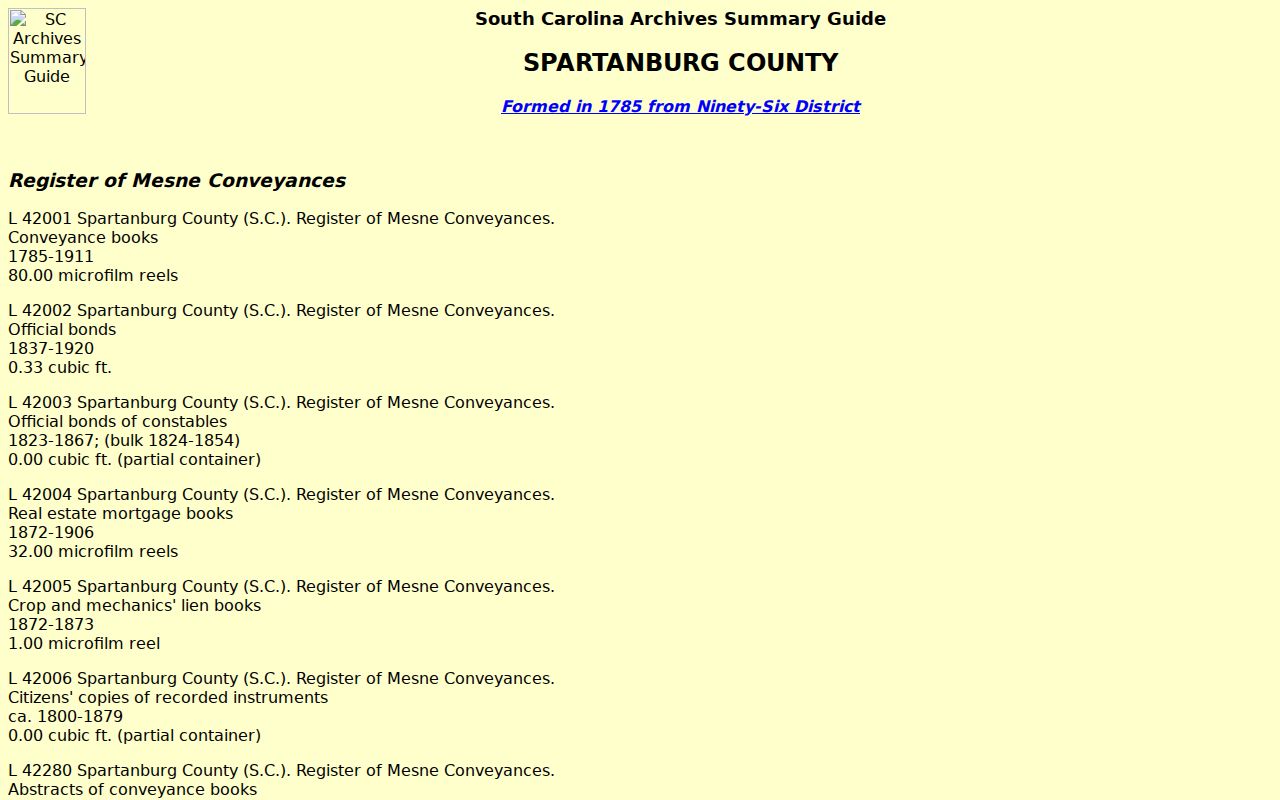
The official guide supports the early conveyance trail, while the county portal provides the practical modern index path. Use both according to the record date.
Past Spartanburg Households in Directories, Census, and Obituaries
Land ownership is only one layer of who lived here before. SCPL’s directory collection states that its volumes include alphabetical residents, ordered street addresses, and business content. A street-section entry supplies a dated address clue; an alphabetical entry can add a spouse or widow marker, route or nearby-community notation, and abbreviated trade or organization wording. Compare the complete line and retain the directory year and page. For an overview of the volumes themselves, consult the Spartanburg directory book.
Pair an available directory year with the nearest public federal census schedule, then test any apparent disappearance against another directory volume. The latest public census at the research date is 1950, and the Kennedy Room has access to 1790-1940 schedules. A census supplies a decennial household grouping, not a continuous address roll, which is why dated directories and the land chain belong beside it.
Spartanburg Previous Residents Need a Directory-and-Census Flow
A short, dated workflow avoids treating one line in one book as the whole history. First, locate the address in a directory street section or a surname in the alphabetical section. Next, save the year, spelling, household address, spouse or widow notation, route or community notation, and page. Compare an adjacent available directory year. Then pair that period with the latest public census schedule and the ROD’s dated deed or plat index. Each source may confirm a different part of the timeline.
If the trail reaches a death, search the Kennedy Room Death and Obituary Notice Search by surname, first name, alternate name, spouse, age, or location. Its citations can include date, page, source, and death information. Take the citation to microfilm or request a copy, then use the decedent’s name variant in Probate and deed research. The obituary index begins with an 1844 Carolina Spartan issue, but the 1923-1929 period is not indexed, so an empty search can reflect a documented gap.
Sanborn Maps Put a Spartanburg Address in Place
Fire Insurance Maps Online is a useful building-context layer, not a household directory. SCPL lists the resource through its learning tools; access can be library-card dependent and date coverage varies by city. When a sheet is available, it can help compare street, lot, and building form with the legal-description chain or a dated directory. It should not be used to assign names to a structure without an independent, time-appropriate source.
Visit Spartanburg County Public Libraries Learning Tools for the official resource route.
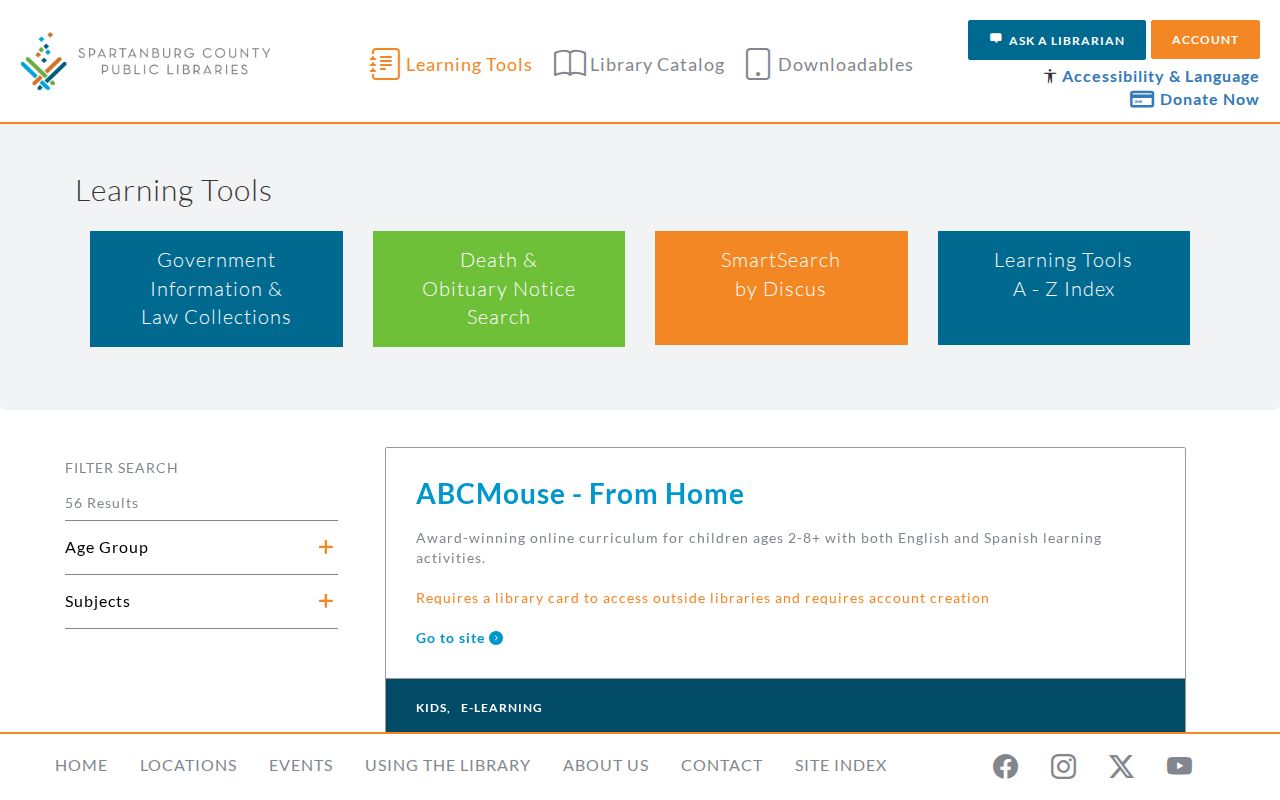
The library route also leads to local history tools that can supplement a parcel trail when the primary document is not available online.
Spartanburg Previous Residents at the Probate and Obituary Endpoint
An obituary citation can move a historical question from newspaper microfilm to a local estate record and then back to recorded property. Spartanburg County Probate Court handles wills, estates, guardianships, conservatorships, and marriage licenses. Its research room is open, but viewing a physical file requires an appointment. The published request details include the requester’s name and phone, decedent name, case number, assigned clerk, and active or closed status. That is a concrete offline path when a cited death or heir trail needs an estate file.
The Probate Court reports that an April 27, 2023 ransomware attack corrupted its computer database while physical files remained. It was not a historical courthouse-record loss. It does explain why careful case information and the physical-file appointment path can matter for a modern probate question. Kennedy Room research requests can also check named land, probate, and newspaper indexes for a $5 service fee plus $0.50 per copied page, with an estimated two-week turnaround and a separate faster option.
Spartanburg Historical Archives as a Focused Fallback
When a specific source is not online, the Kennedy Room is the strongest local starting point. Its non-circulating collection includes books, microform, maps, clipping files, manuscripts, visual material, archival holdings, and access to online genealogy databases. Appointments are recommended, though walk-ins receive help as space and equipment allow; fragile or unprocessed material can be restricted. Staff can pull requested material before an appointment. That makes it a practical channel for a precise land, probate, map, or newspaper question identified by the address trail.
For a statewide complement, begin with the South Carolina Historical Society Archives research page and confirm item-level Spartanburg material with its catalog or archivist.
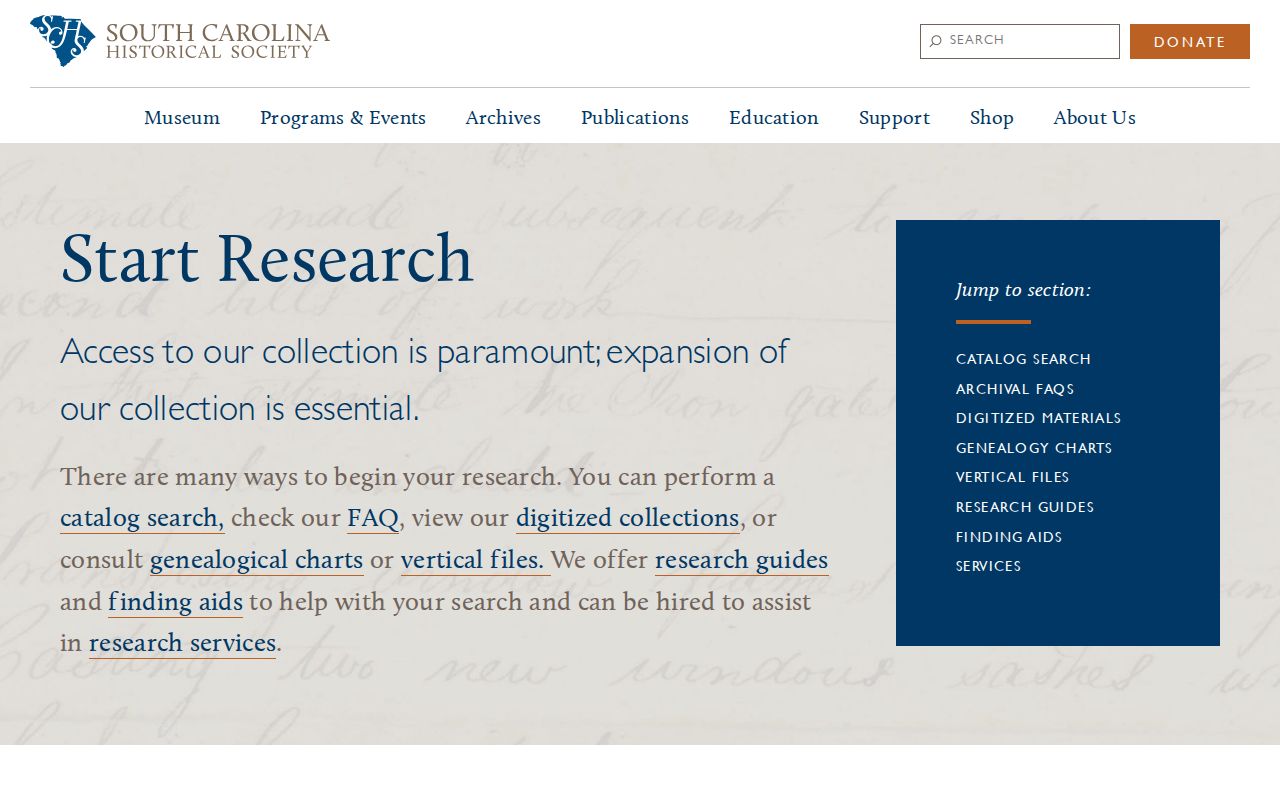
The statewide archive is useful for an identified historical collection, but it is not a county resident directory and should not be presented as one.
What Spartanburg Previous Residents Research Cannot Prove
A past address trail can show recorded parties, dated directory notation, public-schedule groupings, and building context. It cannot establish every person who lived in a home, a continuous household list, or an unrecorded move. The county’s property and deed systems identify parcels and recorded parties, while a directory or census describes a specific publication or census moment. Protected address programs, sealed matters, and proper redactions are additional boundaries, not gaps to work around.
Lawful house-history use. Use past-residents research for family history, estate questions, property history, and personal curiosity. Do not use any result to track, stalk, harass, intimidate, or harm a living person.